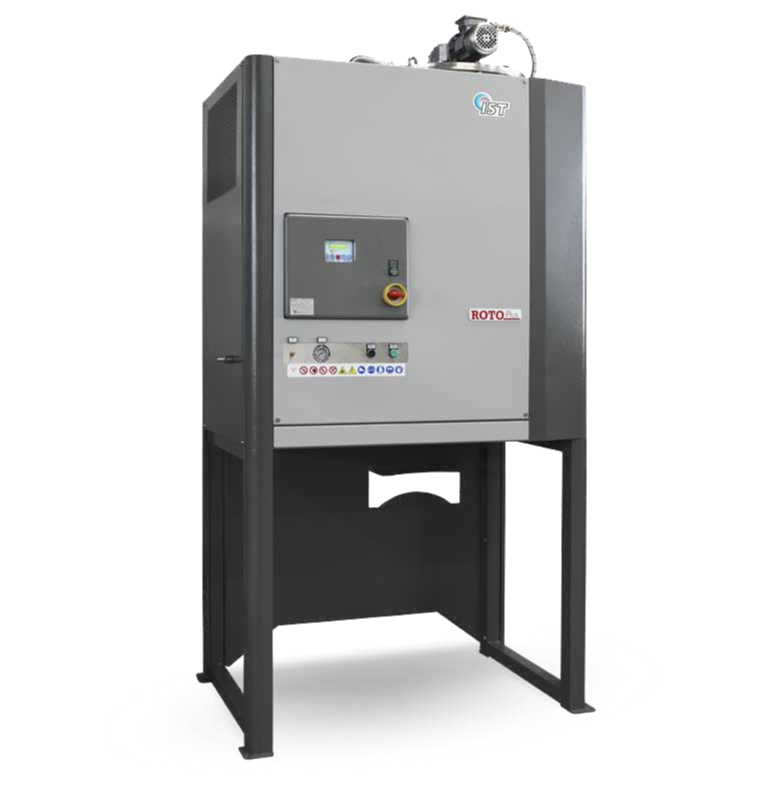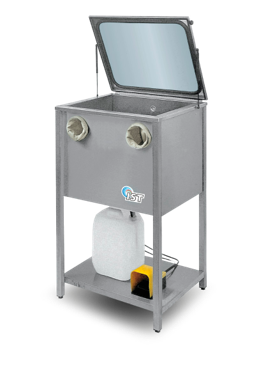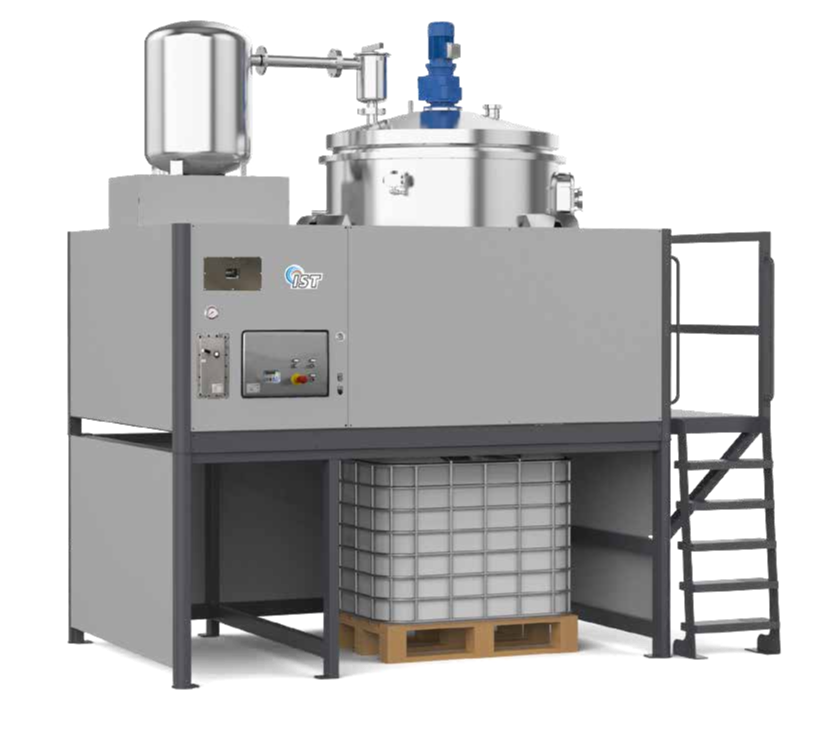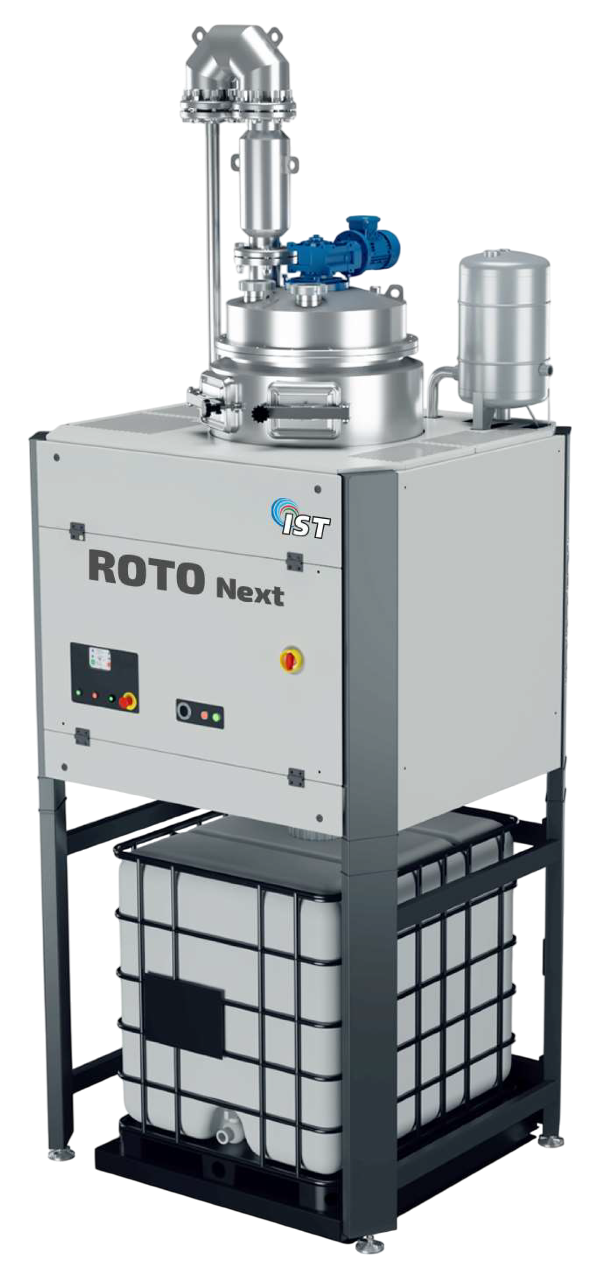
Solvent Recovery Systems, Parts Washers, and Water Recovery Systems For All Industrial Needs

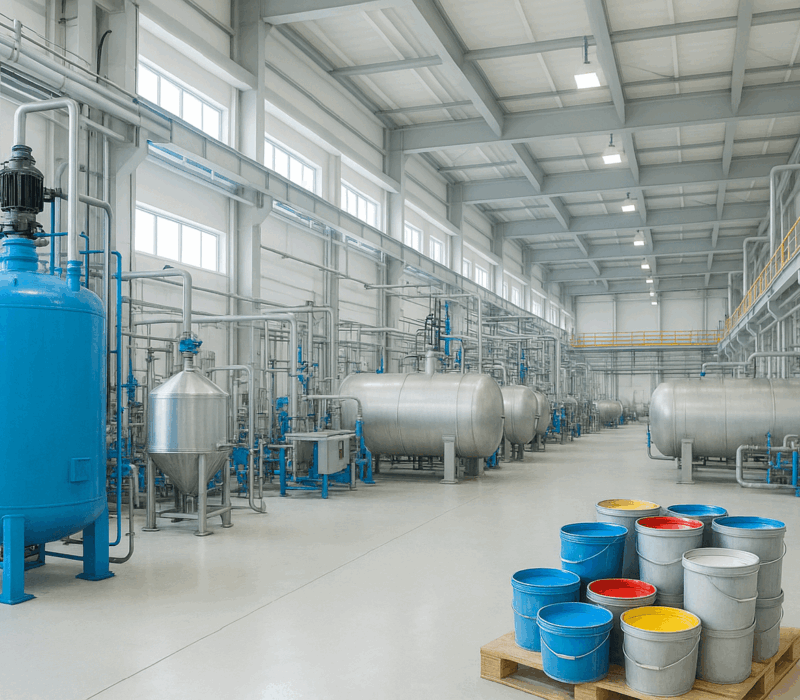
NexGen Enviro Systems delivers advanced solvent and water recovery systems that help manufacturers reduce waste, cut costs, and operate more sustainably.
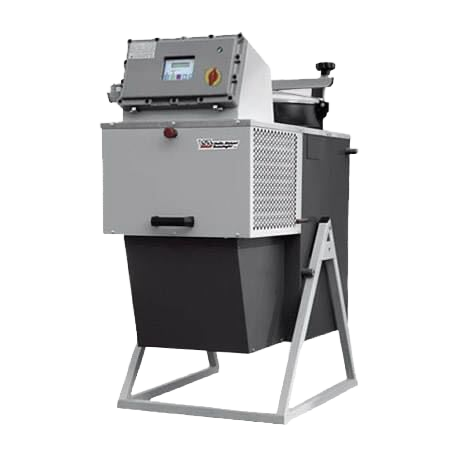
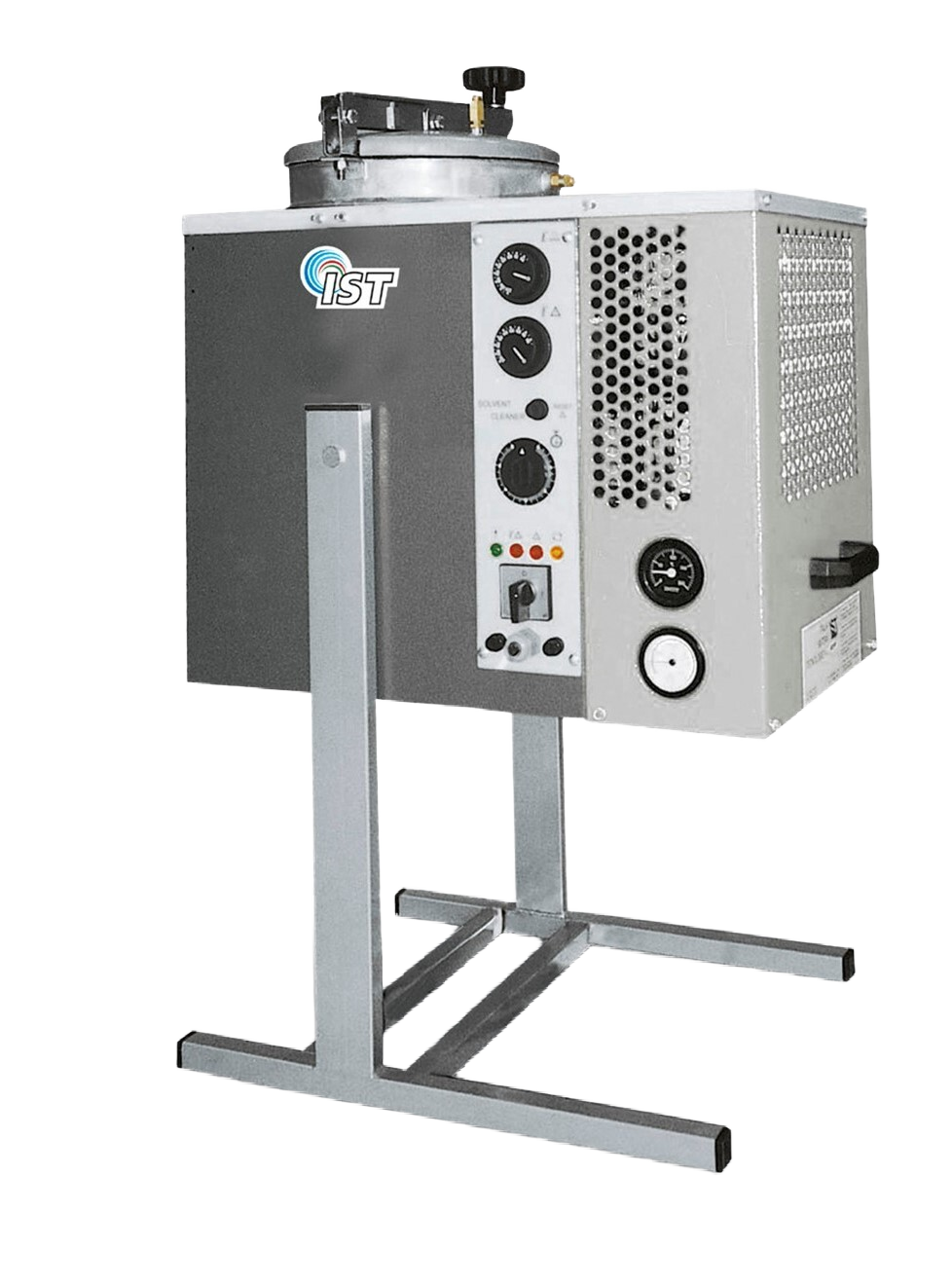
From solvent recyclers to parts washers and integrated water recovery solutions, we engineer smarter systems for cleaner results.

Our solvent and water recovery technologies are trusted worldwide for their reliability, performance, and integration flexibility.
NexGen's Capabilities

Our Core Solutions

Solvent Recovery Systems

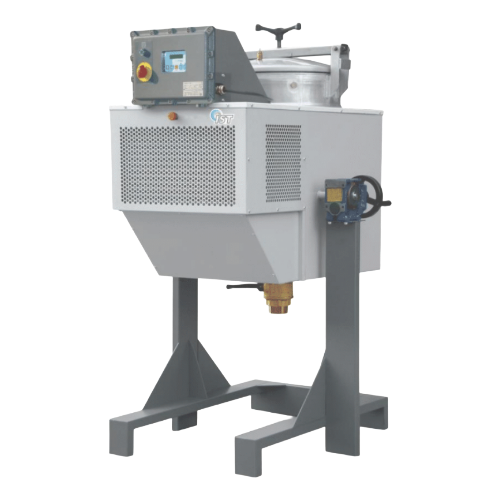
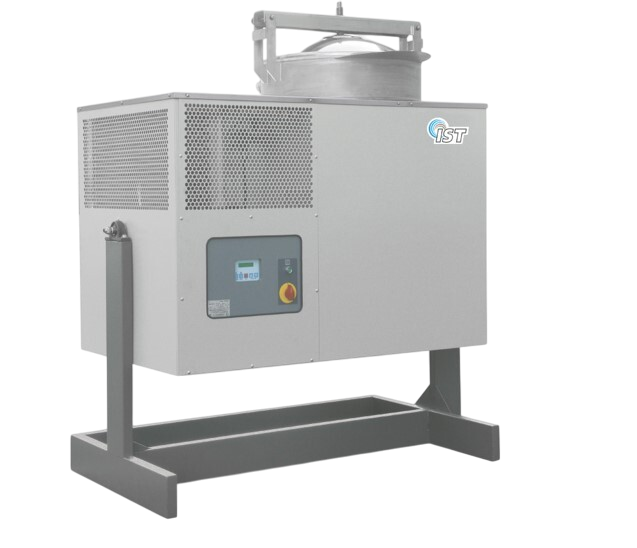
NexGen’s solvent recovery units separate and purify used solvents, reducing disposal volume while reclaiming materials for reuse.

Water Recovery Systems

NexGen’s water recovery systems transform wastewater into reusable clean water, recovering up to 95% of the water contained in production waste.

Parts Washers

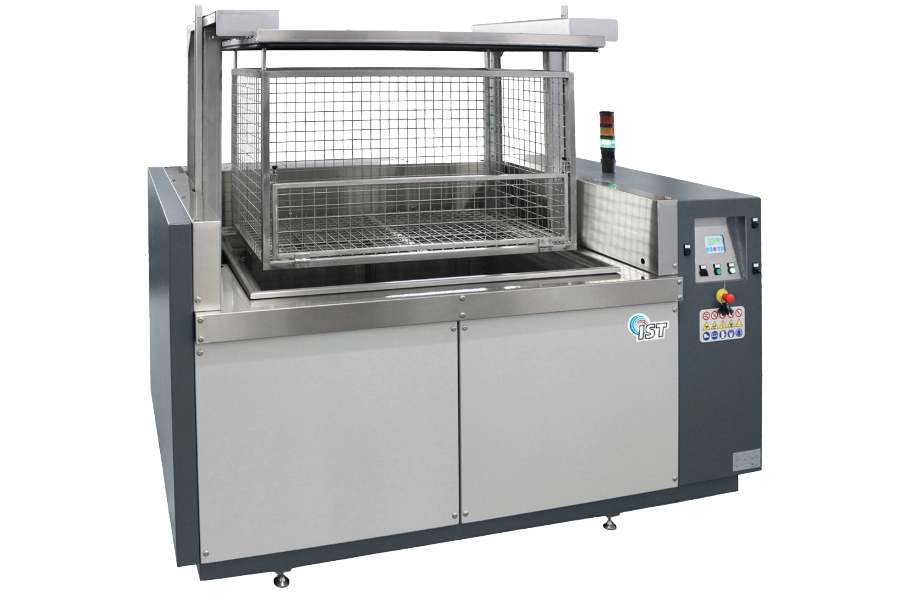
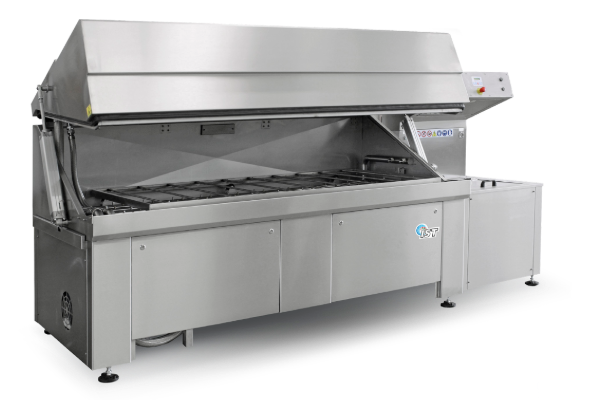
Designed to clean cylinders, ink trays, pumps, and components efficiently and safely, each system is available in solvent-based, water-based, and ultrasonic configurations.

Let’s Build a Cleaner, Smarter Operation Together.

Contact us to discuss a custom recovery solution that fits your process and sustainability goals.
Experience and Excellence

Why NexGen Enviro Systems

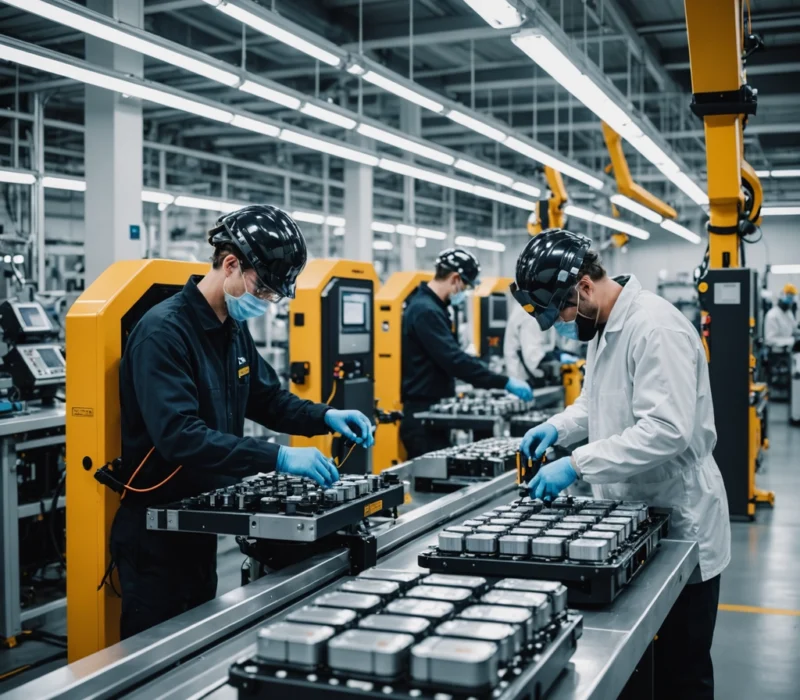
Our systems are engineered to help manufacturers recover resources, reduce waste, and operate more efficiently through, advanced solvent recovery, water recovery, and advanced parts cleaning technology.

Integrated Automation

Smart control systems and PLC integration provide total process visibility and seamless plant-wide operation.

Cost Saving by Design

Every NexGen system is engineered to reduce waste, recover resources, and improve operational efficiency.

Proven Expertise

Built on decades of experience in industrial cleaning and recovery systems, NexGen supports a wide range of manufacturing sectors with proven, process-driven solutions.

Solvent Recovery FAQs

Answers to the questions we hear most often about solvent distillation, recovery, and on-site reuse.

Solvent distillation is a separation process used to purify or recover industrial solvents from contaminants. It relies on the difference in boiling points between the components of a mixture. The solvent is heated until it evaporates, then condensed back into a purified liquid. The impurities stay behind as distillation residue.
  • Cost reduction: Recovering and reusing solvent reduces purchases of new material.
  • Less hazardous waste: Recovering solvent on site reduces the volume sent for disposal and limits chemical releases to the environment.
  • Regulatory compliance: Supports compliance with regulations on chemical emissions, hazardous materials storage, and waste management.
  • Product purity: Fractional and azeotropic distillation can produce high-purity solvent.
  • Greater independence: Managing recovery in-house reduces reliance on solvent suppliers and waste disposal vendors.

ROI depends on factors such as the volume of solvent used, the cost of virgin solvent, disposal costs, and local regulations. In many industrial applications, solvent recovery can reduce operating costs by 70 to 80%, with payback in 6 to 18 months.

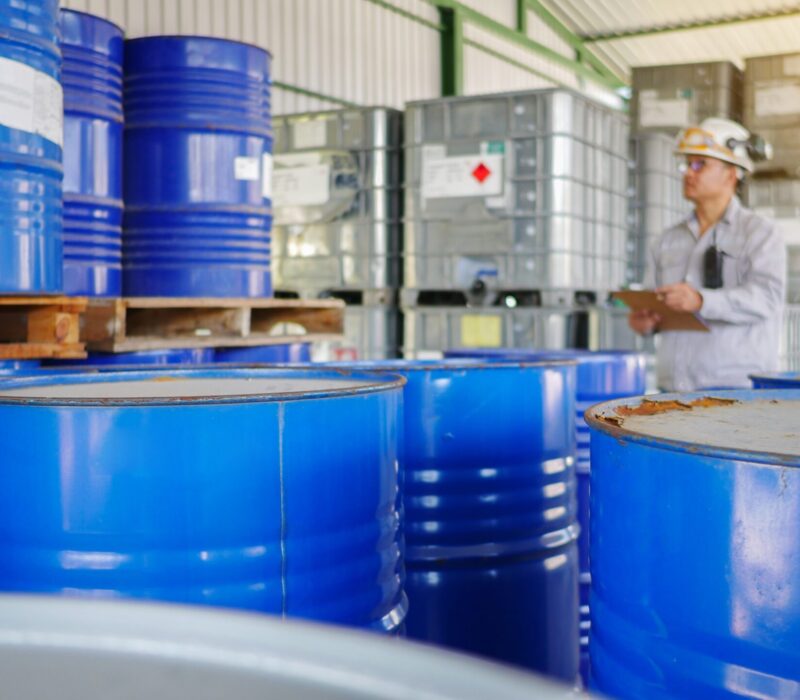
Solvents commonly used in the chemical, pharmaceutical, electronics, ink, and paint industries can be distilled. Among the main solvents recovered are:
  • Acetone
  • Butyl Acetate
  • Dichloromethane
  • Ethanol
  • Ethyl Acetate
  • Isopropyl Alcohol (IPA)
  • Kerosene
  • Methanol
  • Methoxypropanol
  • Methyl Ethyl Ketone (MEK)
  • N-Methyl-2-pyrrolidone (NMP)
  • Styrene
  • Toluene
  • Xylene
Distillation residues are the impurities and contaminants that remain after the solvent has been recovered. They can include resins, polymers, metals, and non-volatile chemical compounds. How residues are managed depends on their composition. They may be treated as hazardous waste or, in some cases, processed further to recover useful substances.

Regulations vary by region, but generally include:

  • EPA (United States): Regulates hazardous waste management and volatile organic compound (VOC) emissions.
  • REACH (European Union): Regulates the use of hazardous solvents and promotes safer technologies.
  • Local agencies: May set additional requirements for solvent recovery and disposal, especially for plants with high emissions or those that use specific chemicals.
  • Recovery: The solvent is separated from impurities and made reusable in the same industrial process.
  • Regeneration: The solvent is purified to a state nearly identical to the original, suitable for more demanding applications.
  • Simple distillation: Separates two components with significantly different boiling points.
  • Fractional distillation: Ideal for mixtures with close boiling points.
  • Azeotropic distillation: Breaks azeotropes, which are mixtures that behave as if they had a single boiling point.
  • Vacuum distillation: Used for temperature-sensitive solvents. Lowering the pressure lowers the boiling point.

Yes. If the solvents in a mixture have similar boiling points, they can be distilled together at a single heating temperature and recovered as a blend.

If the solvents have very different boiling points, they can still be recovered by running distillation cycles with different heating intervals, one for each boiling point. The solvents evaporate in sequence, from the lowest boiling point to the highest.

Distillation is a physical process, not a chemical one. The liquid is heated to its boiling point, and the vapors that form are condensed back into a liquid. No chemical reaction takes place. The substance only changes state (liquid → vapor → liquid), which separates the components without changing the chemical composition of any of them.

As a result, a solvent can be distilled practically indefinitely.

  • Solvent volume processed: Determines the distiller size and process mode.
  • Chemical composition of the mixture: Determines the most suitable type of distillation.
  • Purity requirements: Determine the most suitable method.
  • Operation and maintenance costs: Needed to confirm a positive ROI.
  • Local regulations: Ensure the system meets all environmental and safety requirements.
  • Temperature and pressure: Proper adjustment is critical to optimizing the process.
  • Heating method: Thermal (heat transfer) oil or other high-efficiency fluids are preferred over steam or hot water.
  • Column type: Packed columns can improve the quality and speed of separation.
  • Condensing system: Air cooling or chilled water.
  • Composition of the mixture: Azeotropes or solvents with similar boiling points require fractional distillation or the addition of azeotropic agents.
  • Homogeneity of the spent solvent: Processing material with a consistent concentration of solvent and solute gives repeatable results and helps optimize the process.
Vacuum distillation is used. It reduces the internal pressure of the system, which lowers the solvent’s boiling point and prevents thermal degradation.

The most widely used technologies include:
  • Packed or plate columns: Increase the purity of the distillate.
  • Continuous mixing: Prevents phase separation.
  • Automatic control: Automatic monitoring and control systems continuously adjust the process.

Engineering efficiency for the next generation of manufacturing.

Need Support?
Connect With Our Team

Subscribe and get the latest news
Download the ECO Plus brochure